



Installing fire alarm systems by Chau Duy Phat
Chau Duy Phat's fire alarm system installation process consists of three main stages: Survey and design, equipment installation, and inspection and trial operation. Each stage plays an important role in ensuring the system operates effectively and safely. Survey and design help determine suitable installation locations, equipment installation ensures components are connected accurately, and inspection and trial operation help ensure the system operates stably before being put into use.
Survey and Design
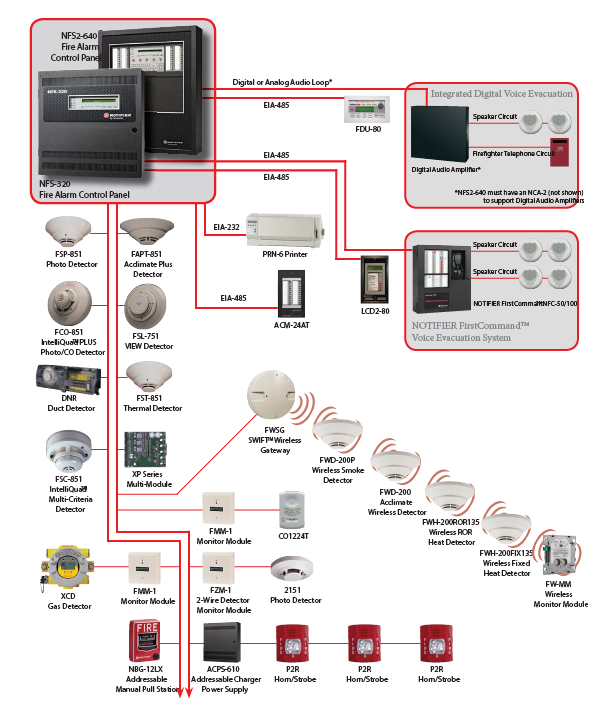
The survey and design stage is the first step in the fire alarm system installation process. During this stage, experts will conduct a survey of the current state of the construction, assess fire and explosion risk factors, and identify areas that need to be protected. Based on the survey results, they will design a fire alarm system suitable for the specific requirements and conditions of each project. This design includes selecting installation locations for fire detectors, fire alarm control panels, and alarm devices, as well as other supporting accessories. This stage plays an important role in ensuring the fire alarm system operates effectively and meets safety standards. Accurate and careful design helps avoid errors and optimizes the efficiency of the fire alarm system.
Equipment Installation
After completing the survey and design stage, the next step is the installation of the fire alarm system equipment. The equipment, including fire detectors, fire alarm control panels, alarm devices, and supporting accessories, will be installed at the locations determined in the design. The installation process must comply with technical and safety standards, ensuring that devices are connected correctly and operate stably. Equipment installation is a crucial step in the fire alarm system installation process, playing a decisive role in the operational efficiency of the entire system. To ensure installation quality, it requires the participation of experienced and highly specialized technicians, using modern tools and equipment.
Inspection and Trial Operation
After completing the equipment installation, the final step in the fire alarm system installation process is inspection and trial operation. This stage aims to ensure that all devices in the system function correctly and effectively. Experts will conduct inspections of each component, from fire detectors and fire alarm control panels to alarm devices, ensuring they respond correctly when detecting signs of fire or explosion. Additionally, they will check the connections and signals between devices to ensure the system operates continuously and stably. Inspection and trial operation help to promptly detect and rectify technical errors, ensuring the fire alarm system is ready to operate when an incident occurs. This stage also includes training users on how to operate and react when the system alarms, ensuring that everyone knows how to use the system effectively.
Fire alarm system maintenance and servicing
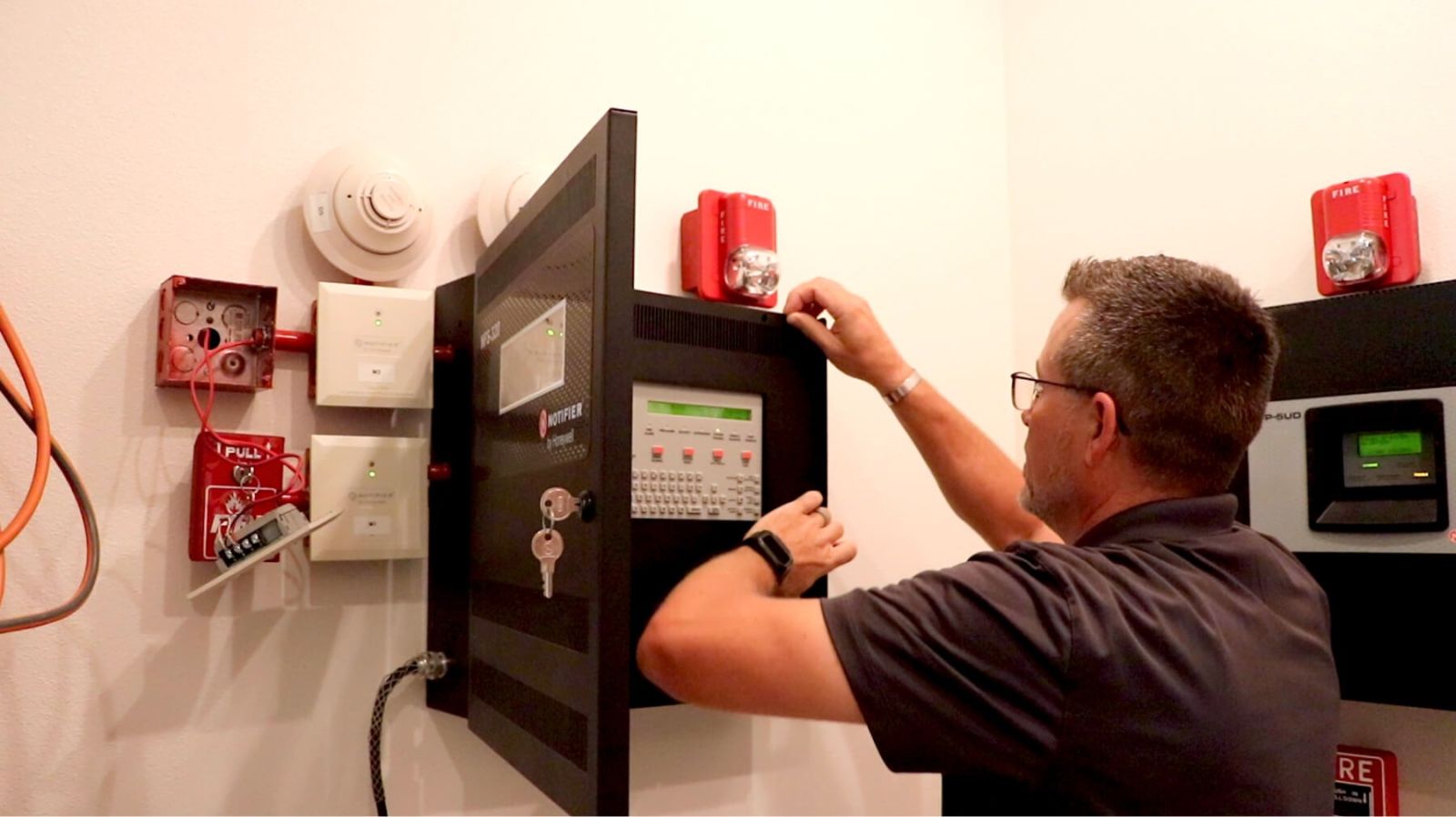
- Maintenance and servicing of the fire alarm system is essential work to ensure the system operates stably and effectively. This work includes periodic inspections, replacement of damaged equipment, and updating or upgrading the system when necessary. Proper maintenance and servicing help to promptly detect and rectify incidents, ensuring the fire alarm system is always in good working condition, ready to protect people and property from the risk of fire and explosion.
- Periodic inspection is an important part of the fire alarm system maintenance process, helping to ensure that devices operate stably and effectively. This work includes checking the operation of fire detectors, fire alarm control panels, and alarm devices, ensuring they respond correctly when detecting signs of fire or explosion. Additionally, experts will also check connections and cables to ensure there are no incidents or damages. Periodic inspections help in the early detection of technical issues, thereby allowing for timely rectification and ensuring the fire alarm system is always ready to operate when an incident occurs. Periodic inspection also includes testing the operation of alarm devices, ensuring that warning sounds and lights are strong enough to notify everyone promptly.
- During the fire alarm system maintenance process, the replacement of damaged equipment is an indispensable task. Devices such as fire detectors, fire alarm control panels, or alarm devices can malfunction or suffer from reduced performance after a period of use. Promptly detecting and replacing these devices helps maintain the operational efficiency of the fire alarm system. Additionally, the use of genuine replacement parts and strict adherence to the correct replacement process are also very important to ensure the system operates stably and reliably. Replacing damaged equipment also helps prevent potential fire and explosion risks caused by malfunctioning devices, ensuring maximum safety for users and property.
- Updating and upgrading the fire alarm system is an important part of maintenance work, aiming to ensure the system always meets current safety standards and applies the latest technologies. Updating software and upgrading equipment help enhance the effectiveness of fire detection and warning, while simultaneously minimizing the risk of technical incidents. Additionally, upgrading the system also helps improve integration capabilities with other safety systems, creating a comprehensive protection solution for the project. Ensuring that the fire alarm system is always in its best operating condition is a key factor in protecting people and property from fire and explosion risks. System upgrades also include retraining users on new features, ensuring they can use the system effectively and safely.
Chau Duy Phat





 11 11
11 11
Electric cables - An inseparable product of modern life
Meksmart offers new technology solutions to help customers save costs, manage faster and more quickly, thereby increasing reputation...
 15 11
15 11
Fire alarm systems and what you should know
A fire alarm system is one of the important safety solutions for protecting people and property from the risk of fire. Through the combination of various modern devices, this system has the capability to detect and provide early warning of fire situations, helping to prevent serious damage.
 11 11
11 11
The operating principle of a smart home
As society continues to develop, it brings about greater convenience and the application of technology in daily life. In this context, smart homes have become an inevitable trend and are becoming increasingly popular. So, how do they work? Let’s explore this with Chau Duy Phat.
 15 11
15 11
Fire alarm system operating principles you should know
The fire alarm system operates based on the principles of detecting smoke, heat, and flame. When the sensors identify signs of a fire or explosion, a signal is sent to the fire alarm control panel.
 11 11
11 11
How to choose electric cables correctly
The electrical cable market is constantly diverse, offering a wide range of choices. Customers can find a broad array of options, varying in brand, quality, price, design, and product types.

CHAU DUY PHAT COMPANY LIMITED
Email: sales@chauduyphat.com
Hotline: 028 35155101
Trụ sở: 204 No Trang Long, Ward 12, Binh Thanh District, HCMC


NEWSBOARD
Register as a member to receive news every day
@ Copyright belongs to Chau Duy Phat